
Red Light Therapy · Mason, Ohio
In clinic, as part of a plan, not a substitute for one.
A calm, adjunctive in-clinic service used with clear expectations and in the context of wider care.
Start simple: the free blood panel starts the conversation. Go deeper: the Root Cause Panel explores the wider picture.
What it is
A supportive in-clinic session.
Red and near-infrared light are delivered through dedicated equipment. This service is an adjunct, not a replacement for diagnosis or treatment.
The in-clinic experience
A quiet session with clear preparation.
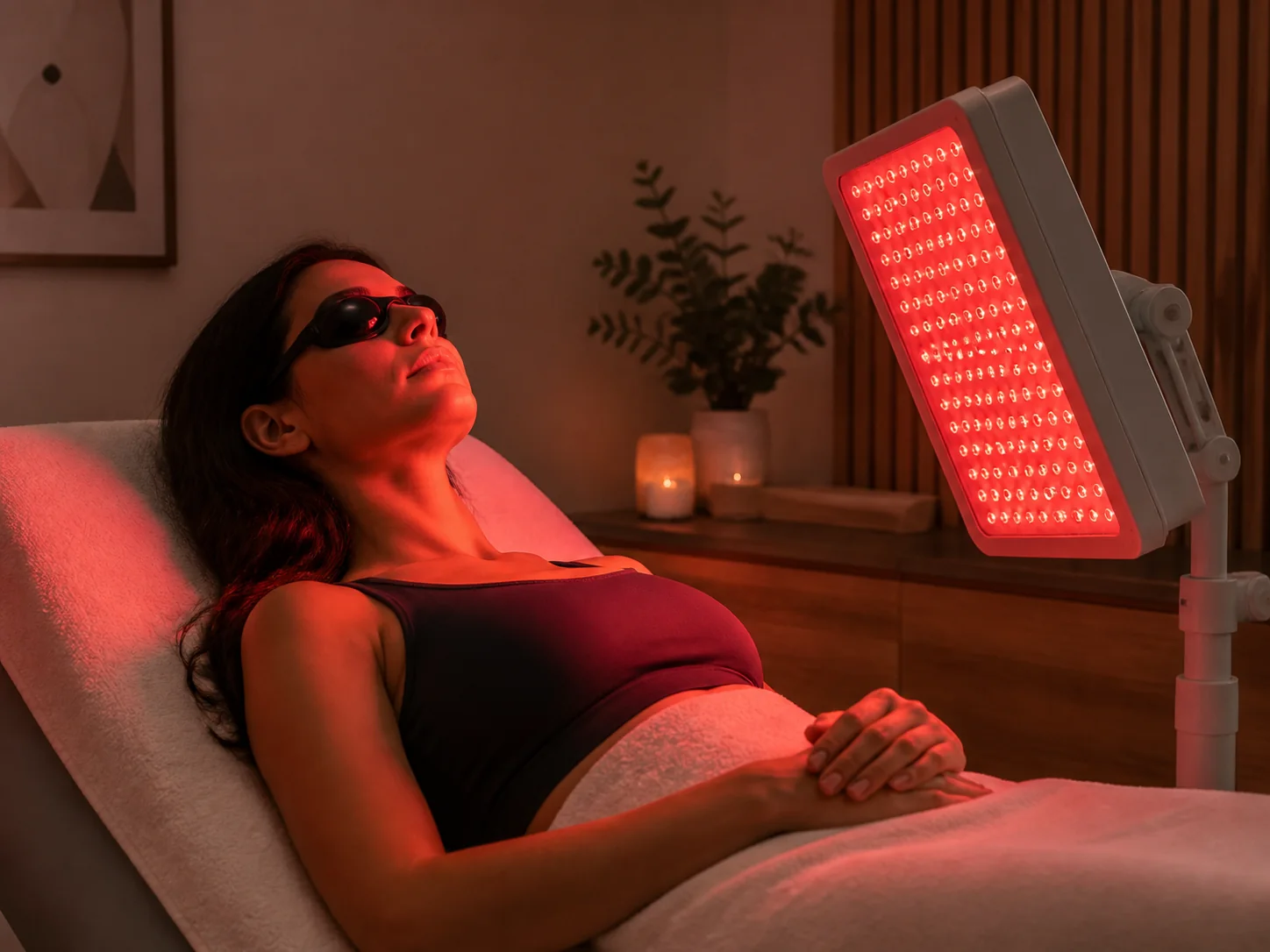
Before the light begins, positioning, skin preparation, eye protection, and session length are explained. The experience is simple, private, and considered within the wider plan.
- 01
Preparation reviewed before the session
- 02
Protective eyewear and positioning explained
- 03
Timing chosen for the reason the service is being used
What to expect
Simple preparation. Clear guidance.
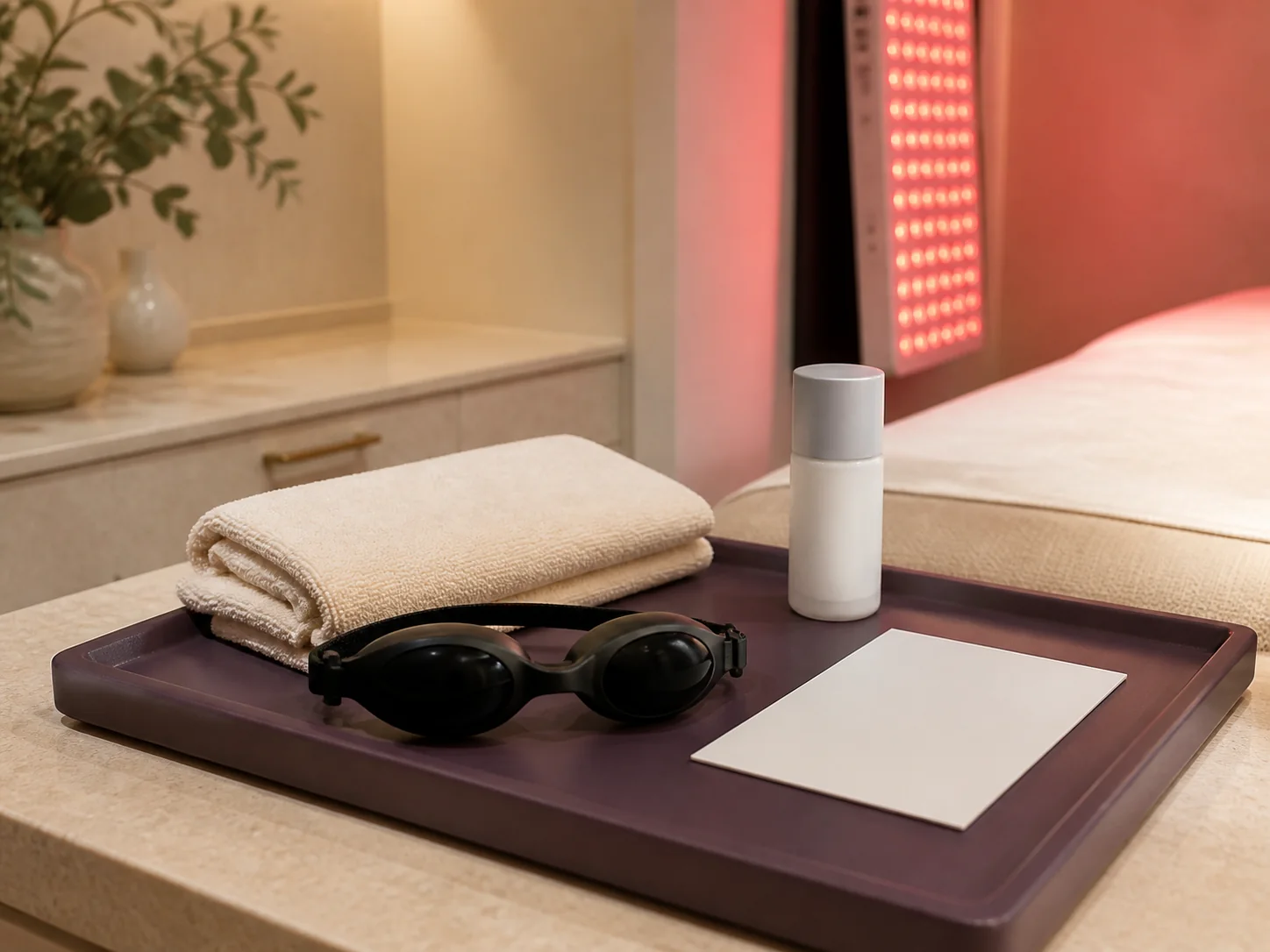
Before a session, follow the clinic's instructions about skin products, clothing, medications, and eye protection. Timing and frequency depend on why the service is being considered and how it fits the wider protocol. Often paired with a training plan for recovery—ask your coach whether it fits your current protocol.
Questions
A few practical answers.
What is red light therapy, and what do people use it for?
Red light therapy uses specific wavelengths of light delivered by panels while you relax. People most often use it for recovery after workouts, skin appearance, and general wellness, and researchers continue to study its effects. We offer it as a supportive add-on to a healthy routine, not a treatment or a cure, and we will always be straight with you about what the evidence does and does not show.
What does a session feel like, and how long does it take?
Warm, quiet, and easy. You relax in front of the panels for roughly 10 to 20 minutes, and most people describe it as gently warming and genuinely calming. It may be the most peaceful part of your week.
How many sessions before I notice anything?
Honestly, it varies, and anyone who promises otherwise is selling. People who use red light regularly tend to describe changes over weeks of consistent sessions rather than after one visit. We would rather set that expectation truthfully than win a first visit and lose your trust.
What do I wear?
As little as you are comfortable with over the areas you want exposed, since light only reaches the skin it can see. Eye protection is provided, the room is private, and you are in and out without breaking your day.
Is it safe, and who should skip it?
Red light therapy is non-invasive and generally well tolerated. That said, if you are pregnant, take medications that increase light sensitivity, or have a condition affecting your eyes or skin, talk with us first, and everyone wears the eye protection we provide. When in doubt, ask. That is what we are here for.
Can I add it to my weight loss or hormone program?
Yes, and that is how most members use it, as a supportive layer alongside their program rather than a standalone fix. Ask about sessions or a package at your next visit.
Do I need an appointment?
Yes, sessions are scheduled so the room is always yours, but booking is quick and locals can usually get in fast. Call or book online and we will get you set.
Next step
Start with a conversation.
You do not need to arrive with the answer. Bring the history, the questions, and what has not felt right.
Start simple: the free blood panel starts the conversation. Go deeper: the Root Cause Panel explores the wider picture.